

We are former teachers and education leaders with extensive experience across mainstream primary schools, specialist provisions, and special schools. Together, we have worked with children and young people across primary, secondary, and post-16 settings, supporting a wide range of additional and complex needs.
Our work is grounded in a shared belief: children are too often misunderstood by systems that prioritise process, pace, and compliance over individual need. Families are frequently left to navigate complexity alone, expected to interpret reports, make high-stakes decisions, and advocate relentlessly, often under significant emotional strain.
Between us, we bring both deep classroom experience and a clear understanding of how schools and support systems operate in practice. This allows us to offer advice that is informed, realistic, and genuinely independent — shaped by what will help the child, not by institutional constraint or preferred outcomes.
Our approach is calm, child-centred, and pragmatic. We focus on helping families understand what matters most, what is achievable, and how to move forward with clarity and confidence.
Maria Kirby BA(Hons) NPQH (National Professional Qualification for Headship)
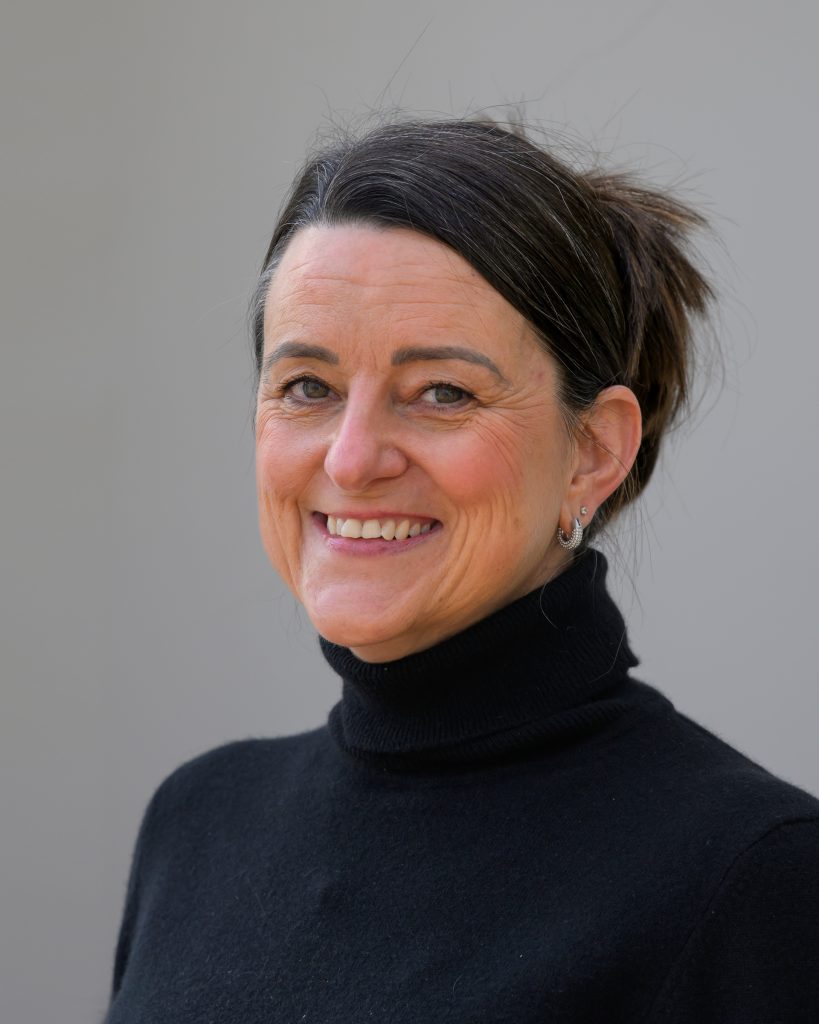
With over 30 years of experience, Maria began her career in education straight from teacher training and went on to work across a wide range of settings, including mainstream primary schools, specialist provisions, and special schools. She has extensive experience supporting children and young people with complex and additional needs.
Over the course of her career, Maria has held senior leadership roles and worked as a SENCo, developing deep expertise in identifying needs, coordinating provision, and working closely with families, professionals, and local authorities.
She has taught and led across both primary and secondary phases and has also worked with post-16 learners in special school settings. Until recently, she was responsible for running a specialist resource provision for autistic children, combining strategic oversight with hands-on leadership of pupils, staff, and provision.
Maria’s strength lies in understanding how support is designed and delivered within real schools. She is highly skilled at translating need into workable provision, advising on what schools can reasonably deliver, and identifying when systems are not working as they should.Her approach is clear, structured, and child-centred. Families value her professional judgement, honesty, and ability to focus on what will genuinely help a child to feel safe, supported, and able to learn.
Michael Lindsay BA(Hons) PGCE MSc (Child Development) GMBPsS

Michael came to teaching later than most, 15 years ago, bringing experience from other professional roles and a strong interest in how children develop, learn, and are understood within education systems.
He has worked across mainstream primary schools, specialist provisions, and special schools, supporting children with autism, dyslexia, ADHD, and complex learning profiles. His work with families focuses on clarifying needs, making sense of reports and recommendations, and helping parents decide what to prioritise when everything feels urgent.
Michael’s approach is informed by lived experience as well as professional practice. He had a very difficult time at school and was identified as dyslexic long before awareness and support were widespread. Later in adulthood, he was diagnosed with autism. These experiences shape how carefully he listens to families and how seriously he takes the long-term impact of educational decisions on children.
Alongside his classroom experience, Michael brings a strong analytical perspective. He is particularly skilled at translating complex information into clear, usable guidance, and at helping families understand what is realistic, what is achievable, and what will make the greatest difference to their child in day-to-day life.
Michael works independently so that his advice is shaped solely by the needs of the child and the family, rather than by institutional pressures.
His style is calm, reflective, and child-centred. Parents often describe his support as grounding, helping them slow down, make sense of complexity, and move forward with greater confidence.